Choosing the right flexible food packaging for your business doesn’t have to be stressful. With the right partner by your side, you can achieve purposeful, powerful packaging that moves your organization forward. Below, we’re highlighting common flexible packaging formats, common materials, and tips for getting the right fit. Let’s dive in.
Common Flexible Food Packaging Formats
There are many types of flexible food packaging formats. Bags, pouches, and rollstock are typically what businesses will choose from when designing custom flexible food packaging.
Rollstock
Rollstock is a type of flexible packaging material that comes in a large roll. It’s used with horizontal form fill seal (HFFS) or vertical form fill seal (VFFS) machinery, or other equipment designed to form the rollstock into bags or pouches. Businesses will often opt for rollstock if:
- Cost savings are important: Producing packaging with rollstock can help reduce costs because the bag or pouch can be made in line.
- Efficiency is key: Rollstock will often be used in high-speed applications. If you have a large-scale operation, rollstock is usually the best option.
- Versatility is non-negotiable: This type of packaging can be used to create a number of packaging bags or pouch types.
Bags and Pouches
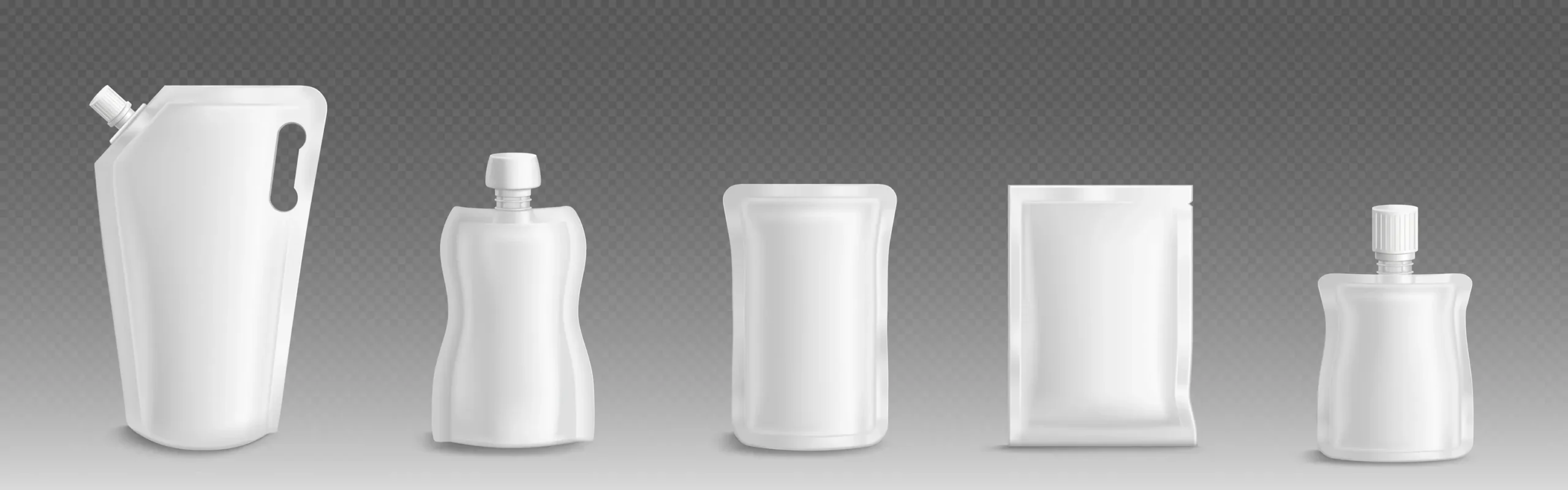
Unlike rollstock, bags and pouches are delivered in their final form. From there, businesses can use them to ship their products. There are quite a few options available. Some of the most popular include header bags, sachets, stand-up pouches, and more. They can often be fitted with features like hang holes, tear notches, reclosable options, and more to boost convenience. A business might choose pre-made bags and pouches if they have low-to-medium volume production, varied SKUs, or can’t invest in VFFS or HFFS equipment.
Materials Used in Flexible Food Packaging
There are a few common materials used in this type of flexible packaging: polyethylene, polypropylene, foil laminates, and sustainable options.
Polyethylene
When opting for this packaging type, businesses typically choose between low-density polyethylene and high-density polyethylene. Both options are known for extreme flexibility, durability, and high tear resistance. Often, it’s more cost-effective and has better low-temperature performance compared to polypropylene.
Polypropylene
Polypropylene is known for high clarity, superior moisture barrier properties, and high heat resistance. Businesses might choose this option for hot-fill processes.
Foil Laminates
Foil laminates are favored for optimal puncture resistance, extending product shelf life, and more. You may see this option used for premium or sensitive products.
Sustainable Options
Some businesses choose sustainable films to lower their carbon footprint and appeal to eco-conscious consumers. At PPC Flex, we offer a range of sustainable films, including:
- Thrive™ high-performance recyclable
- Thrive™ 25% recycled content high-performance recyclable
- Thrive™ 30% recycled content
- Thrive™ compostable
- EarthFirst® PLA made with Ingeo
- Tipa
- NatureFlex
- Kraft paper post-consumer recyclable
All of these films offer a lower carbon footprint than many other films. Want to learn the specifics about these options? Visit our guide here.
Benefits of Flexible Packaging for Food Products
Extended Shelf Life
Flexible packaging uses barrier materials that block oxygen, moisture, and light. This keeps food fresher and reduces the risk of spoilage throughout the supply chain.
Lightweight and Cost-Efficient to Ship
Logistics costs can add up fast, which digs into your profit margins. Flexible pouches and bags weigh significantly less than glass or rigid plastic options. When you opt for a flexible solution, you can lower freight costs and even add more units per pallet. As a result, you benefit from improved shipping efficiency.
Consumer Convenience
Flexible packaging offers great opportunities for better consumer convenience. Bags and pouches can be easily fitted with zippers and other resealable features. You might also add a tear notch for convenient tamper-proof access for your consumers. Additionally, hang holes and handles allow for a better consumer experience.
Reduced Material Waste vs. Rigid Alternatives
In many cases, flexible packaging uses less material than rigid alternatives. They may also take up less landfill space when empty. Additionally, flexible packaging can be made with sustainable films that reduce waste in the supply chain.
Sustainability Benefits
As mentioned above, flexible packaging is ideal for reducing a business’s overall carbon footprint. At PPC Flex, our Thrive™ line of products is designed to maximize your eco-friendliness. We offer recyclable products that are compatible with the How2Recycle program. We also offer films made from recycled materials to reduce waste in the supply chain. Additionally, we create compostable materials that meet ASTM-D6400 testing standards for BPI certification. Want to learn more about our sustainable options? Visit our dedicated guide.
Best Practices for Choosing Flexible Food Packaging
Match Material to Product Requirements
Different foods need different barrier properties. For example, frozen foods need cold-crack resistance. And moisture-sensitive products need strong moisture barriers. An experienced flexible packaging manufacturer can help you understand what you need and get the right fit for your products.
Consider Shelf Life Goals
How long will your product need to last on the shelf? This question will drive decisions around barrier strength, seal integrity, and whether other features will be needed.
Keep Regulatory and Labeling Considerations in Mind
In the U.S., food packaging must comply with FDA regulations. This might include considerations on food-safe materials and required label information. Keeping this in mind when designing your packaging will help you avoid rework down the road.
Partner With PPC Flex for Your Flexible Food Packaging Needs
When you need purposeful, powerful packaging solutions, trust PPC Flex. As a global flexible packaging manufacturer, we provide simple, quality products that can help skyrocket a business’s success.
We focus on an agile and experienced approach, leveraging the most experienced industry leaders. With our dedicated team, we’re able to anticipate challenges before they arise. And with our nimble systems and leading-edge innovations, we can manage all your packaging complexity. From the initial design to the final shipment, we’ll be there to support you every step of the way. When you partner with us, we’ll take the stress off your plate. That way, you can focus on what matters — growing your business.
Let’s Get Started
Ready to learn more about how we can support you? Our team is here to answer any questions you might have. Reach out to us for an initial consultation, and we’ll respond as quickly as possible.